
Properties That Function the Way You Need
Land Clearing in South Boston for overgrown lots ready for use or development
Overgrown brush, dense undergrowth, and unwanted trees prevent land from being used safely or productively. Garrett Earthworks, LLC provides land clearing across South Boston and surrounding Virginia counties, removing vegetation and debris to transform inaccessible parcels into functional properties. Rural lots, development-ready acreage, and commercial sites all require thorough clearing that removes obstacles without damaging the land underneath or affecting neighboring areas.
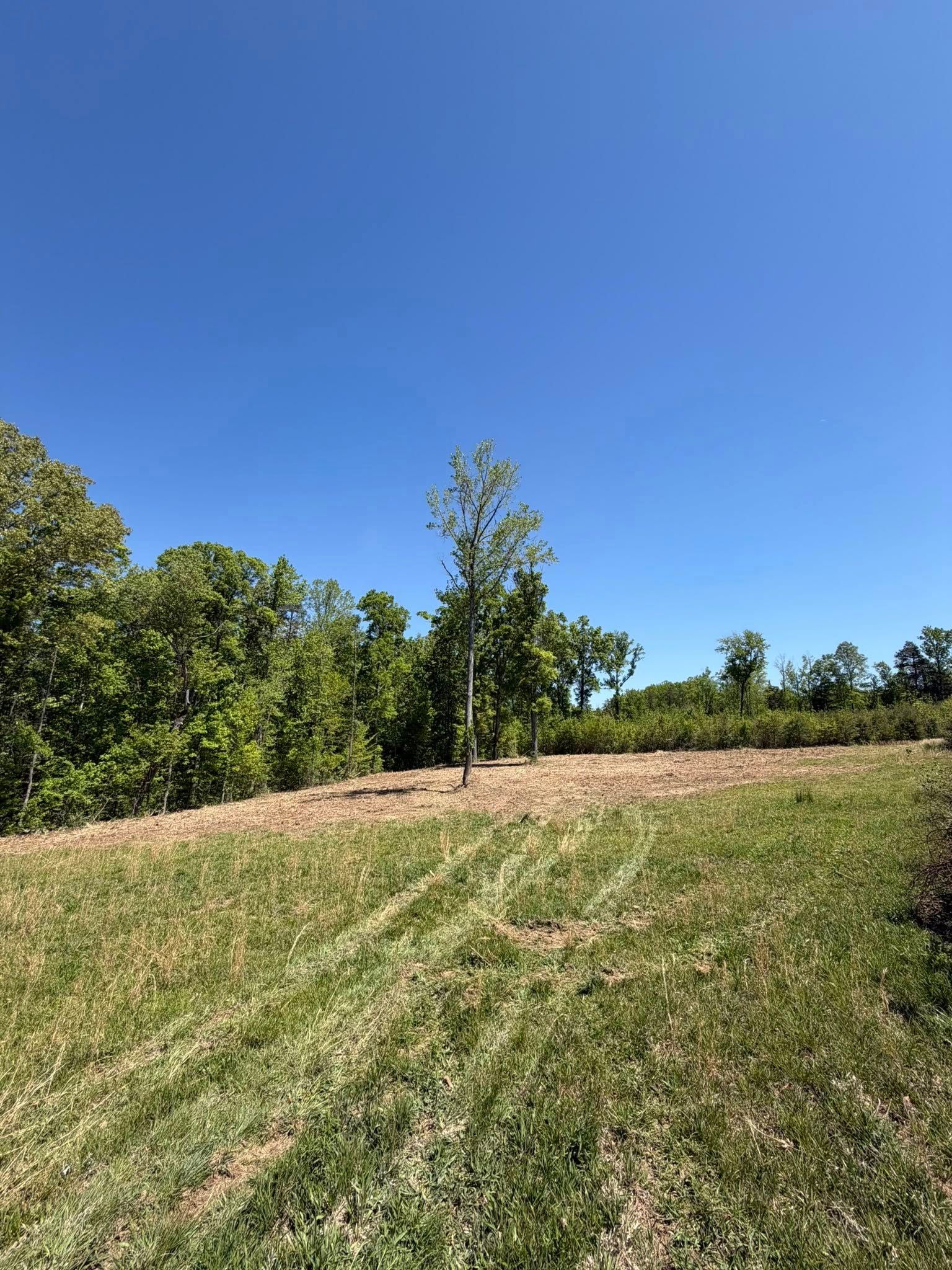
The work involves cutting and removing brush, small trees, and overgrown vegetation down to ground level using tracked equipment designed to operate on uneven terrain without compacting soil excessively. Debris is either hauled away or processed on-site depending on project requirements, and the result is a clear surface ready for whatever comes next—whether that's construction, pasture use, or simply safer access across the property.
Schedule a site evaluation to identify clearing requirements and plan the most efficient approach for your property.
What Proper Clearing Actually Accomplishes
Effective land clearing removes not just visible vegetation but also root systems and stumps that would otherwise interfere with grading, construction, or equipment operation. The work is done in a way that preserves topsoil integrity and maintains drainage patterns across the site, which matters when the land will be built on or used for agriculture.
Once clearing is complete, you'll notice the entire footprint of your property becomes visible and accessible. Overgrown areas that previously couldn't be walked through or evaluated are now open ground where you can assess slope, drainage, and boundaries. Fire hazards from dried brush are eliminated, and the property looks maintained rather than abandoned, which directly affects appraised value and development potential.
Clearing work on residential lots typically focuses on maximizing usable yard space while preserving mature trees you want to keep. Commercial and development projects often require total clearing to grade, with specifications determined by engineering plans or site design requirements.
Questions Before Starting Your Clearing Project
Land clearing projects vary widely depending on property size, vegetation density, and intended use, and property owners in rural Virginia counties often have similar concerns before work begins.

What happens to the debris after clearing?
Depending on your preference and project scope, debris can be hauled off-site entirely, chipped and spread as ground cover, or piled for burning if local regulations permit and conditions are safe.
How is clearing done without damaging the soil?
Tracked equipment distributes weight across a wider footprint compared to wheeled machines, which reduces ground pressure and prevents ruts or compaction that would interfere with drainage or future grading work.
When is the best time to schedule land clearing in South Boston?
Late fall through early spring is often preferred because the ground is firmer, vegetation is dormant and easier to remove, and there's less risk of disturbing nesting wildlife.
What gets left behind after clearing?
You're left with bare ground cleared to the level specified in the project scope, with stumps either removed entirely or ground below grade depending on what the land will be used for.
How do you protect trees or features I want to keep?
Trees and boundary markers are flagged before work begins, and equipment operators work around those areas with buffer zones to prevent root damage or accidental contact.
Garrett Earthworks, LLC works with property owners and contractors to plan clearing projects that match the timeline and budget for residential lots, commercial sites, and development acreage. Request a project estimate to review your property's clearing needs and establish a work schedule.